

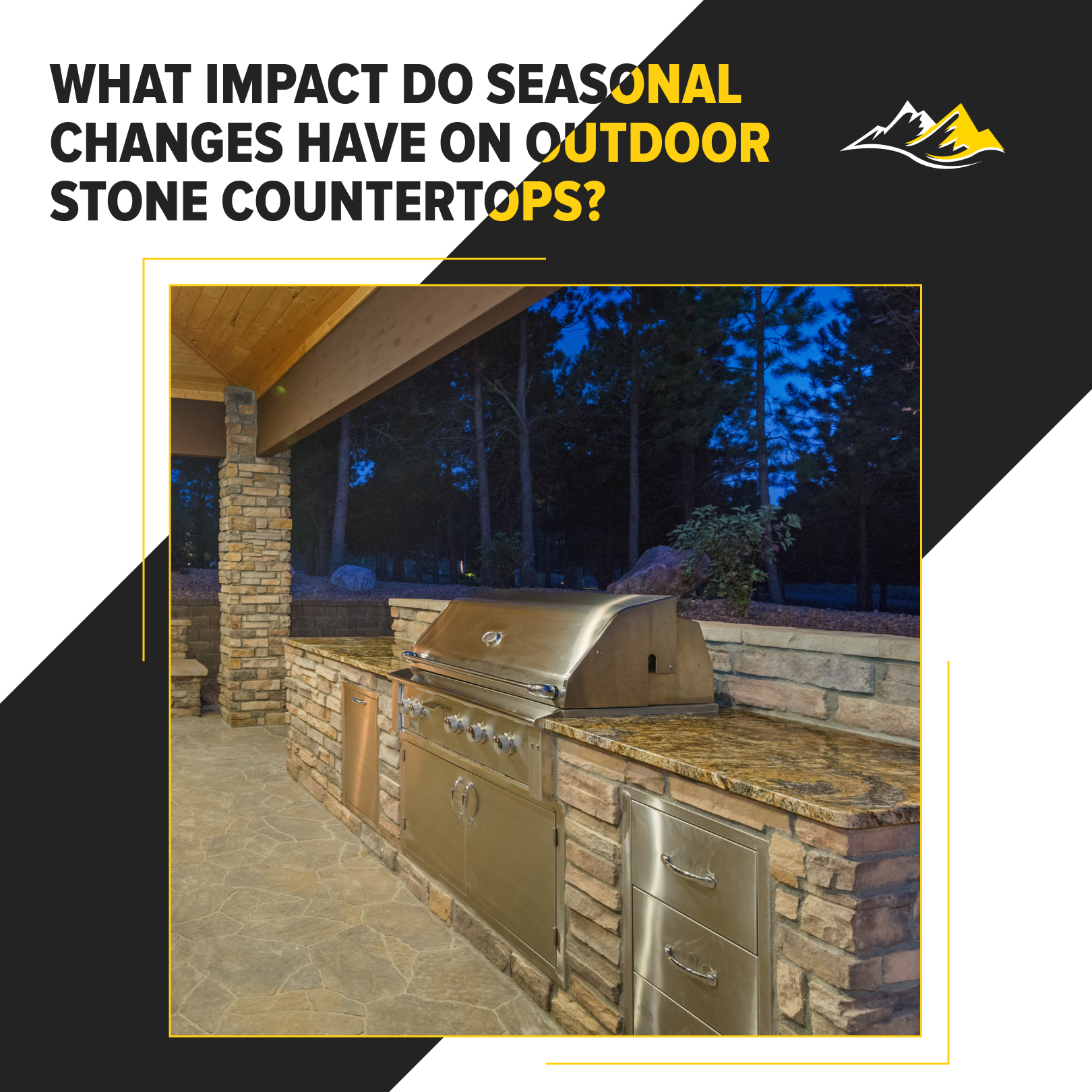
Stone countertops are a durable and elegant addition to any kitchen or outdoor space. They bring a touch of luxury and sophistication while offering unmatched resilience. However, like any other material, stone countertops, including granite, quartz, and marble, are not immune to the effects of seasonal changes. From intense summer heat to freezing winter temperatures, the natural elements can affect the longevity and appearance of your stone surfaces, particularly those installed outdoors.
If you are considering stone countertops for your home or outdoor kitchen, it’s essential to understand how weather conditions in your region might impact their performance over time. For residents near granite stores in Vandalia, OH, Granite Empire of Dayton provides expert advice on how to care for stone countertops and what to expect as the seasons change. In this article, we’ll explore how seasonal shifts affect stone countertops and provide tips to maintain their beauty and durability.
1. The Impact of Summer Heat on Stone Countertops
Expansion Due to High Temperatures
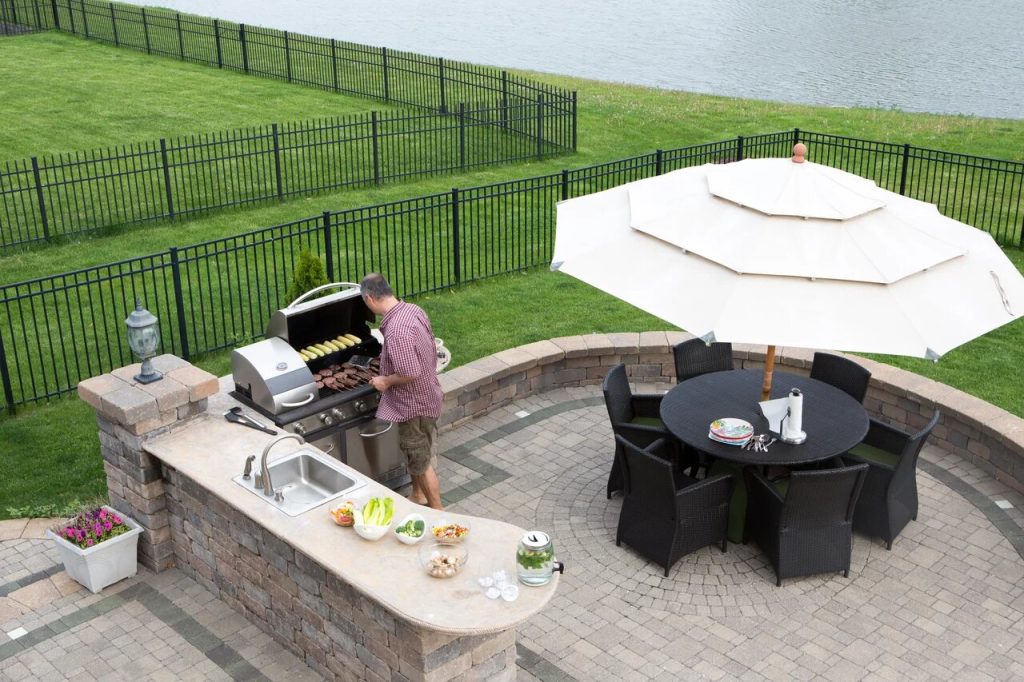
During the hot summer months, stone countertops, especially those installed outdoors, are exposed to high temperatures that can cause them to expand. Granite, quartz, and marble are all natural materials that can expand when subjected to extreme heat. This is particularly relevant in outdoor kitchens or patio areas, where countertops are regularly exposed to direct sunlight.
- Granite and Quartz: These stones are more resistant to heat compared to other materials, but prolonged exposure to high temperatures can cause expansion and contraction. While these changes are typically minor, they can cause small cracks or weaken the seams over time.
- Marble: Marble is more susceptible to heat damage than granite or quartz. In direct sunlight or extreme heat, marble may become discolored or lose its polish. Protecting marble surfaces with a cover during peak sunlight hours is advisable.
Granite Empire of Dayton, a trusted provider found at granite stores in Vandalia, OH, recommends that homeowners use protective measures such as umbrellas or canopies in outdoor areas to shield countertops from prolonged exposure to summer heat.
Fading and Discoloration
Prolonged exposure to sunlight can lead to fading and discoloration, especially for darker stone countertops. While granite and quartz are generally UV-resistant, long-term exposure to sunlight can cause slight fading or color changes, particularly in darker shades like black or deep green.
- Granite: Dark-colored granite can fade when exposed to direct sunlight for extended periods. Lighter granite, on the other hand, is less likely to show signs of discoloration.
- Quartz: Quartz countertops are engineered with pigments that can fade over time if exposed to UV rays. Using a protective sealant or cover can help reduce this effect.
To prevent fading, Granite Empire of Dayton advises regular sealing and maintenance for outdoor countertops. This will help protect your investment and keep your countertops looking vibrant throughout the summer months.
2. Winter Frost and Cold Weather Concerns
Contraction in Freezing Temperatures
In cold weather, stone countertops experience the opposite effect of summer heat: contraction. Just as high temperatures cause expansion, freezing temperatures cause stone to contract. If this expansion and contraction happen repeatedly over time, it can create hairline cracks in the surface of the stone, particularly in areas that have already sustained wear and tear.
- Granite: Granite is durable and resistant to the cold, but extreme temperature fluctuations can still cause minor cracks, particularly if water seeps into the stone and freezes. Granite’s porous nature makes it susceptible to water absorption, which can lead to damage in freezing conditions.
- Quartz: Quartz is non-porous and less likely to absorb water, but it’s not immune to temperature changes. As temperatures drop, quartz countertops may experience slight contraction, which can put stress on seams and cause separation over time.
Granite Empire of Dayton advises sealing granite countertops at least once a year, particularly if they are installed outdoors. This helps protect the stone from absorbing water and prevents cracks caused by the freeze-thaw cycle.
Ice and Snow Damage
During winter, snow and ice can accumulate on outdoor countertops, which may lead to damage if not properly cared for. Ice melting on stone countertops can seep into the pores of granite or marble, and when the temperature drops again, the water may freeze, leading to cracks and chips.
- Granite: Because granite is more porous than quartz, it is more susceptible to this type of damage. Applying a high-quality sealant can prevent moisture from seeping into the stone, reducing the risk of winter damage.
- Quartz: Quartz is less likely to absorb moisture, but it’s still important to clear snow and ice from quartz surfaces to avoid potential damage.
Granite Empire of Dayton recommends regular snow removal and applying a protective cover during winter months. These preventive measures will help ensure your countertops remain in excellent condition despite freezing temperatures.
3. Preventative Measures for All Seasons

Regular Sealing
Sealing is one of the most effective ways to protect stone countertops from the effects of seasonal changes. Granite, in particular, benefits from being sealed regularly to prevent moisture absorption and damage caused by both heat and cold.
- How Often to Seal: Granite should be sealed at least once a year, or more frequently if exposed to harsh outdoor conditions. Marble, being more porous, may require more frequent sealing to maintain its appearance and durability.
- Quartz Maintenance: Although quartz is non-porous and does not require sealing, it still benefits from regular cleaning and care to protect against heat and UV exposure.
By purchasing high-quality sealants from Granite Empire, homeowners can ensure their countertops are properly protected throughout the year.
Using Protective Covers
Investing in protective covers for your outdoor stone countertops is a simple and effective way to protect them from the elements. Whether it’s summer or winter, a cover can shield your countertops from direct sunlight, snow, and ice.
- UV-Resistant Covers: UV-resistant covers are particularly useful during the summer months to prevent discoloration and heat damage. These covers can be used when the countertops are not in use, providing an additional layer of protection.
- Weatherproof Covers: In the winter, weatherproof covers protect countertops from snow and ice accumulation, preventing moisture from seeping into the stone and freezing.
Granite Empire of Dayton offers practical advice on maintaining and protecting countertops with appropriate covers. Homeowners who purchase countertops from us can also inquire about additional protective measures tailored to their specific type of stone.
Cleaning and Maintenance Year-Round
Consistent cleaning and maintenance are key to keeping stone countertops looking their best, regardless of the season. During the summer, regularly clean countertops with a mild soap and water solution to remove debris, dirt, and potential stains from sun exposure. In the winter, remove snow and ice immediately to prevent freezing damage.
- Avoid Harsh Chemicals: Whether you have granite, quartz, or marble, it’s important to avoid using harsh chemicals or acidic cleaners, which can damage the stone’s surface. Stick to gentle, pH-neutral cleaning products.
- Inspect for Cracks: Regularly inspect your countertops for signs of cracking, especially after extreme temperature shifts. Catching cracks early allows for repairs before the damage worsens.
At granite stores in Vandalia, OH, the professionals at Granite Empire of Dayton can provide expert tips on cleaning and maintaining your stone countertops to withstand seasonal changes.
Conclusion
Seasonal changes, from scorching summer heat to freezing winter frost, can have a significant impact on your stone countertops, especially if they’re located outdoors. Granite, quartz, and marble all respond differently to these conditions, but with the right care and preventative measures, they can maintain their beauty and durability for years to come.
Homeowners in Vandalia, OH, looking to invest in quality countertops should visit granite stores in Vandalia, OH, like Granite Empire of Dayton, to explore a wide range of options and receive expert advice on how to care for their stone surfaces. With regular maintenance, sealing, and the use of protective covers, your countertops will continue to shine through every season.