


When it comes to choosing the right countertop material for your kitchen or bathroom, two options often come to mind: quartz and granite. Both materials are known for their beauty and durability, but they each have distinct qualities that may make one a better fit for your space. Whether you’re building a new home or renovating your kitchen, understanding the differences between quartz kitchen countertops in Troy, OH, and granite is essential in making an informed decision. This guide will explore the benefits and drawbacks of each material, so you can choose the one that best suits your needs.
What Are Quartz Kitchen Countertops?
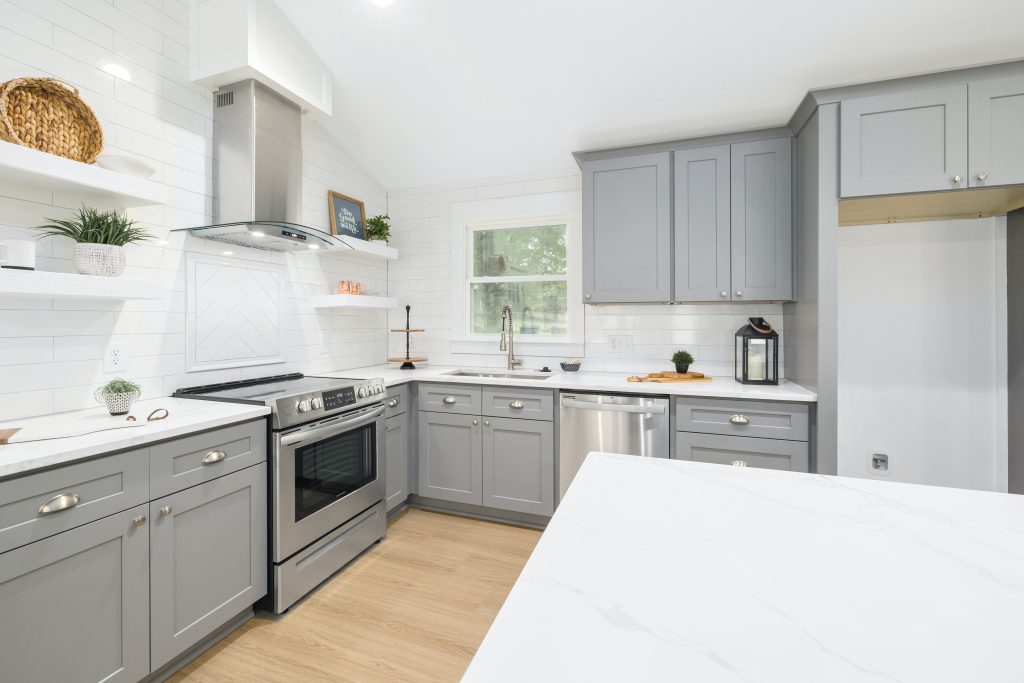
Quartz countertops are engineered surfaces made from natural quartz crystals combined with resin and other materials. This composition creates a non-porous surface that is resistant to stains, scratches, and bacteria. Quartz kitchen countertops in Troy, OH, are available in a wide variety of colors and patterns, and they can even mimic the look of other natural stones like marble or granite.
One of the key reasons homeowners choose quartz is for its low-maintenance nature. Unlike natural stones like granite, quartz does not require sealing and is much easier to clean. It’s a great option for people looking for a countertop that combines aesthetic appeal with durability without the added hassle of maintenance.
The Allure of Granite Countertops
Granite countertops, on the other hand, are 100% natural stone. Each slab of granite is unique, with its own patterns and color variations, making it a popular choice for homeowners who want a one-of-a-kind look for their kitchen. Granite kitchen countertops are known for their natural beauty and elegance. Granite is an incredibly durable material, resistant to heat and scratches, making it a great choice for busy kitchens.
However, granite countertops do require some level of maintenance. They need to be sealed periodically to protect the surface from stains and bacteria, especially in high-traffic areas like the kitchen. While this may seem like an inconvenience to some, many people appreciate the timeless beauty and natural look of granite and are willing to invest in its upkeep.
Durability: Quartz vs. Granite
Quartz Countertops
When it comes to durability, quartz kitchen countertops have an edge over granite in several ways. Quartz is non-porous, meaning it does not absorb liquids, making it highly resistant to stains from spilled food or beverages. It is also resistant to scratches, although it’s still a good idea to use cutting boards and avoid placing sharp objects directly on the surface.
Because quartz is engineered, it can be manufactured with specific qualities such as additional strength or impact resistance. The resin used in quartz countertops makes them more flexible than granite, so they’re less likely to crack or chip during installation or over time. Additionally, quartz countertops are impervious to bacteria growth, making them a great option for families or homeowners who prioritize cleanliness in the kitchen.
Granite Countertops
Granite, as a natural stone, is also extremely durable. It’s heat-resistant and can handle hot pots and pans directly placed on the surface. However, granite countertops are porous, which means they can absorb liquids, leading to staining if spills are not cleaned up quickly. This is particularly problematic with acidic substances like wine, coffee, or citrus juices. To avoid staining, granite countertops must be sealed regularly.
While granite is a strong material, it is more brittle than quartz. A heavy object dropped on granite may cause it to crack or chip, which could require expensive repairs. Over time, granite surfaces can also become worn down or scratched, especially if not properly maintained.
Maintenance: Ease vs. Upkeep
Low-Maintenance Quartz Countertops
For homeowners who are looking for a low-maintenance solution, quartz kitchen countertops are the obvious choice. The non-porous nature of quartz means you don’t have to worry about sealing the surface. Daily cleaning is easy—simply wipe down your countertops with warm water and a mild detergent, and you’re done. Additionally, quartz doesn’t require periodic resealing, which can be a time-consuming and costly task for granite owners.
Unlike granite, quartz countertops are not affected by acidic substances, meaning you don’t have to worry about the damaging effects of spilled wine or citrus juice. The resin in quartz also makes it more resistant to staining, so your countertop will maintain its pristine appearance for a longer period.
Granite Countertops
Granite countertops, on the other hand, require a bit more care and attention. While they are low-maintenance in the sense that they don’t require daily cleaning, granite countertops need to be sealed regularly to protect them from stains and bacterial growth. This sealing process needs to be done at least once a year, depending on the usage and type of granite. If not sealed, granite can absorb moisture, leading to staining and the potential for bacteria buildup.
Granite is also more prone to scratching and chipping than quartz, although the damage is usually not as significant as with other materials. To avoid scratching, it’s best to use cutting boards and avoid placing sharp objects directly on the surface. Like quartz, granite can also be cleaned with a mild detergent, but it’s essential to avoid harsh chemicals that can strip the sealant or cause discoloration.
Aesthetic Appeal: Which One Wins?

Quartz Kitchen Countertops
When it comes to appearance, both quartz and granite offer an upscale, luxurious look. However, quartz kitchen countertops in Troy, OH provide more consistency in terms of color and pattern. Since quartz is an engineered product, it can be manufactured to your exact specifications, allowing you to choose from a wide range of colors, patterns, and finishes. Whether you want a bold, modern countertop or a more subtle, traditional look, quartz can deliver exactly what you’re looking for.
Quartz can also mimic the appearance of other natural stones, such as marble or granite, giving you the flexibility to achieve the look you want without sacrificing the durability of quartz.
Granite Countertops
Granite, being a natural stone, has a unique beauty that many homeowners appreciate. No two granite slabs are exactly alike, so if you want a truly one-of-a-kind look, granite is the way to go. The natural veining, color variations, and patterns in granite can add depth and character to your space. For those who love the idea of owning a rare, custom countertop, granite provides a high-end aesthetic that is difficult to replicate.
The downside is that granite’s natural patterns can sometimes be unpredictable, and you may not always get the exact color or pattern you’re envisioning. However, for many people, this is part of granite’s charm.
Conclusion: Which Countertop Is Right for You?
Choosing between quartz kitchen countertops in Troy, OH, and granite depends on your specific needs and preferences. If you’re looking for a low-maintenance, highly durable, and customizable countertop, quartz is the better option. Its non-porous nature, resistance to stains and bacteria, and ease of maintenance make it a great choice for modern kitchens.
However, if you prioritize natural beauty and don’t mind regular maintenance, granite may be the right choice for you. Its unique appearance and ability to withstand heat make it an excellent choice for homeowners who want a timeless, luxurious look for their space.
At Granite Empire of Dayton, we offer both quartz and granite countertops, helping you find the perfect match for your home. Our experts can guide you through the selection process and ensure that your new countertops are installed with the utmost care and precision.
Ultimately, the decision between quartz and granite depends on your priorities—whether it’s low maintenance, aesthetics, or durability. No matter which material you choose, both options are sure to enhance your kitchen with beauty and functionality.