


When it comes to choosing the perfect countertop for your kitchen, two materials often come to mind: quartz and granite. Both offer durability, beauty, and value, but they have distinct differences that can influence your decision. If you’re considering quartz kitchen countertops in Kettering, OH, it’s essential to weigh the pros and cons of each material to determine which one best fits your lifestyle, budget, and design preferences.
In this comprehensive guide, we’ll break down the differences between quartz and granite, from durability and maintenance to aesthetics and cost, helping you make an informed choice.
1. Understanding the Basics: What Are Quartz and Granite?
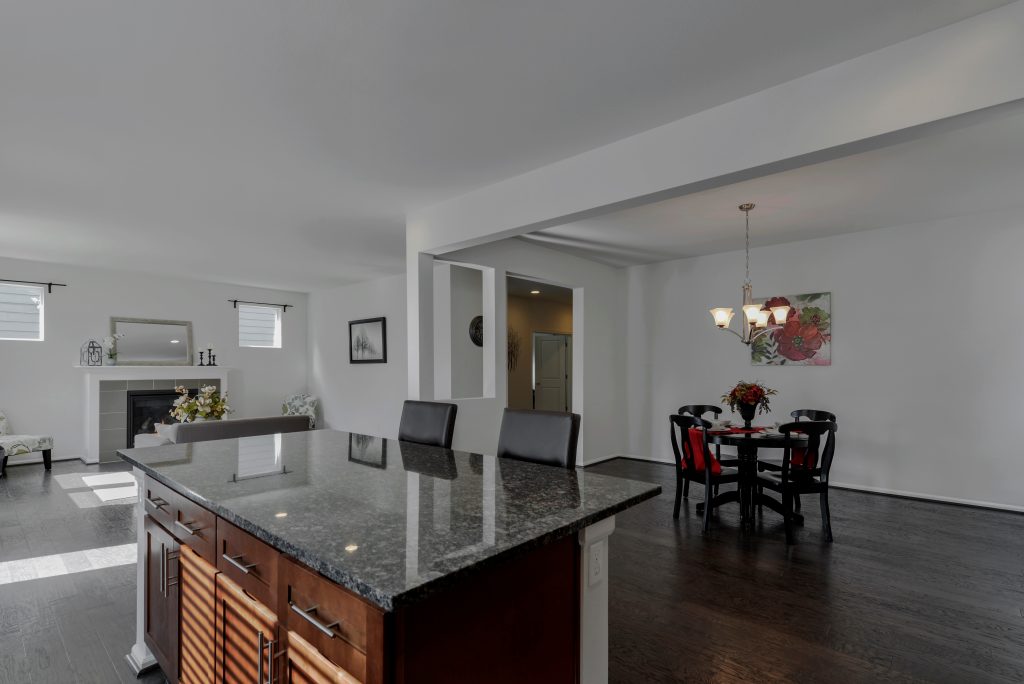
Before diving into the details, it’s important to understand the fundamental differences between these two countertop materials.
Quartz: Engineered for Perfection
Quartz countertops are man-made surfaces composed of around 90-95% natural quartz crystals, combined with resins, polymers, and pigments. This engineered stone is designed to provide the look of natural stone while offering enhanced durability and consistency in color and pattern.
Granite: A Natural Beauty
Granite, on the other hand, is a 100% natural stone, quarried from the earth and cut into slabs. It is composed of various minerals, including quartz, feldspar, and mica, giving each slab a unique pattern and color variation.
Both materials have their advantages, but choosing between them depends on factors such as maintenance, durability, and style preferences.
2. Durability and Strength: Which One Lasts Longer?
Quartz: Engineered for Toughness
- Quartz is non-porous, making it resistant to stains, moisture, and bacteria.
- It is highly scratch-resistant, but excessive force or direct impact can cause chips or cracks.
- Unlike natural stone, quartz does not require sealing, making it easier to maintain over time.
Granite: Naturally Hard and Resilient
- Granite is one of the hardest natural stones, resistant to heat and scratches.
- However, since it is porous, it requires periodic sealing to prevent staining from liquids like wine, oil, and juice.
- While highly durable, granite can chip or crack if subjected to extreme force, similar to quartz.
Winner: Tie
Both quartz and granite are durable, but quartz kitchen countertops in Kettering, OH require less maintenance, making them a slightly better choice for homeowners who prefer a hassle-free surface.
3. Maintenance: Which Material Requires Less Upkeep?
Quartz: The Low-Maintenance Champion
- No sealing required—just wipe with mild soap and water.
- Resists stains, bacteria, and mold growth due to its non-porous nature.
- Avoid exposing quartz to extreme heat, as resins may become damaged.
Granite: Requires Some Care
- Needs to be sealed annually to maintain resistance to stains and moisture.
- Requires gentle cleaners to prevent damage to the sealant.
- Can withstand high heat, but prolonged exposure to hot pots or pans may cause discoloration.
Winner: Quartz
For busy households or those looking for an easy-to-maintain surface, quartz kitchen countertops are the best choice. They offer excellent durability without the need for periodic sealing or special cleaning products.
4. Aesthetic Appeal: Which Material Looks Better?
Quartz: Consistency in Color and Pattern
- Since quartz is engineered, it offers uniform color and pattern, allowing for a seamless look in modern kitchens.
- Available in a variety of styles, including designs that mimic marble, granite, or solid colors.
- Works well for homeowners who prefer a clean, contemporary aesthetic.
Granite: Natural Variation and Unique Patterns
- Each granite slab is unique, meaning no two countertops will look exactly the same.
- Provides a natural, organic appearance with rich depth and veining.
- Works well in traditional, rustic, or high-end luxury kitchens.
Winner: It Depends on Your Style
If you want a one-of-a-kind, natural look, granite is the better option. However, if you prefer a uniform and modern aesthetic, quartz kitchen countertops are the way to go.
5. Cost Considerations: Which One Is More Affordable?
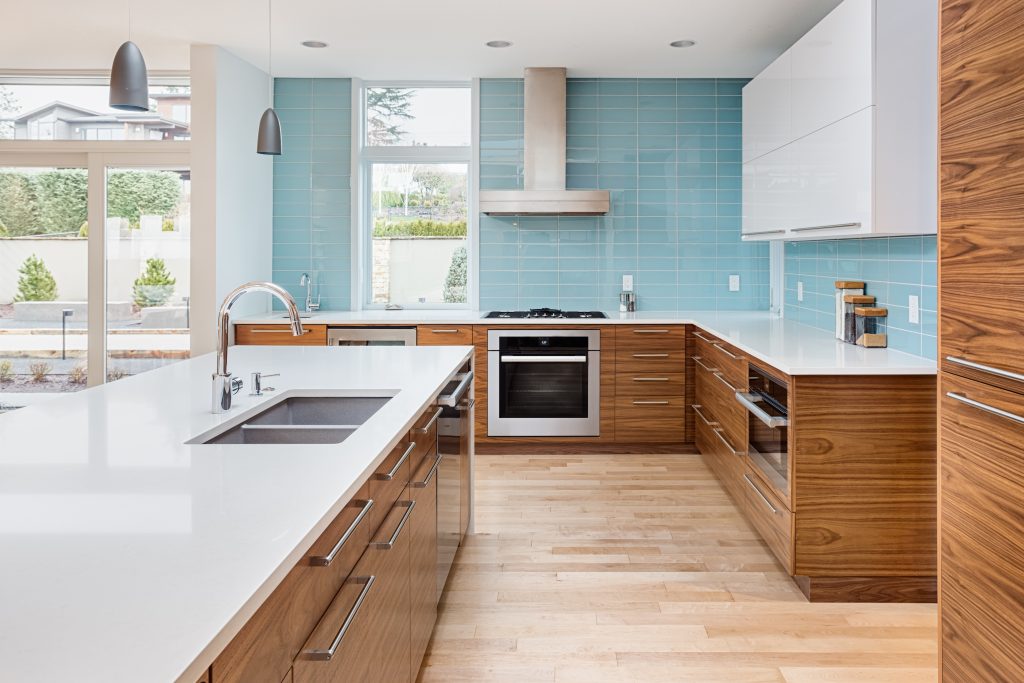
Quartz: Price Consistency
- Typically costs $50 to $120 per square foot, including installation.
- Prices remain consistent due to the engineered nature of the material.
- Long-term cost savings due to low maintenance and no sealing required.
Granite: Price Varies Based on Rarity
- Ranges from $40 to $200 per square foot, depending on the stone’s rarity and pattern.
- Installation and sealing can add to overall costs.
- More affordable options are available, but high-end exotic granite can be costly.
Winner: It Depends on Your Budget
For homeowners looking for budget-friendly luxury, quartz offers better pricing stability. However, those willing to invest in a unique natural stone can find excellent deals on granite.
6. Heat and Stain Resistance: Which One Holds Up Better?
Quartz: Stain-Resistant but Heat-Sensitive
- Quartz is resistant to spills and stains but can be damaged by excessive heat.
- Placing hot pots directly on quartz can lead to discoloration or damage to the resin.
- Always use trivets or hot pads when placing heated cookware on quartz surfaces.
Granite: Heat-Resistant but Stain-Prone
- Granite is naturally heat-resistant, making it ideal for cooking spaces.
- However, because it is porous, it can absorb stains if not properly sealed.
- Regular sealing prevents discoloration and damage from spills.
Winner: Tie
If heat resistance is a priority, granite wins. If stain resistance is more important, quartz kitchen countertops in Kettering, OH are the better option.
7. Environmental Impact: Which One Is More Eco-Friendly?
Quartz: Manufactured but Sustainable
- Requires energy-intensive production but often uses recycled materials.
- Can be produced locally, reducing transportation emissions.
Granite: Natural but Non-Renewable
- Mined from the earth, meaning it is a finite resource.
- Requires transportation, sometimes from overseas, increasing the carbon footprint.
Winner: Quartz (Slightly More Eco-Friendly)
For those concerned about sustainability, quartz offers a lower environmental impact, especially when sourced responsibly.
Final Verdict: Which One Should You Choose?
Both quartz and granite offer unique benefits, making them excellent countertop choices. Here’s a quick recap:
| Feature | Quartz | Granite |
| Durability | ✅ Highly durable | ✅ Highly durable |
| Maintenance | ✅ Low maintenance | ❌ Requires sealing |
| Aesthetic Appeal | ✅ Uniform & modern | ✅ Natural & unique |
| Cost | ✅ Consistent pricing | ❌ Price varies by rarity |
| Heat Resistance | ❌ Can be damaged | ✅ Highly heat-resistant |
| Stain Resistance | ✅ Non-porous | ❌ Requires sealing |
| Eco-Friendliness | ✅ Uses recycled materials | ❌ Non-renewable stone |
Why Choose Granite Empire of Dayton?
If you’re looking for quartz kitchen countertops in Kettering, OH, Granite Empire of Dayton is the go-to source for high-quality stone, expert craftsmanship, and professional installation. They offer a wide selection of quartz and granite countertops, ensuring you find the perfect match for your kitchen.
No matter which material you choose, Granite Empire of Dayton provides premium countertops that combine beauty, durability, and affordability. Visit their showroom today to explore your options and transform your kitchen with the perfect countertop!